You follow 5 people on a new platform. Your feed shows 3 posts a day. You get bored. You leave.
This is the discovery problem. Every new social network dies from it. Users can't find interesting people, so they bounce. Creators can't find their audience, so they stop posting. The platform becomes a ghost town.
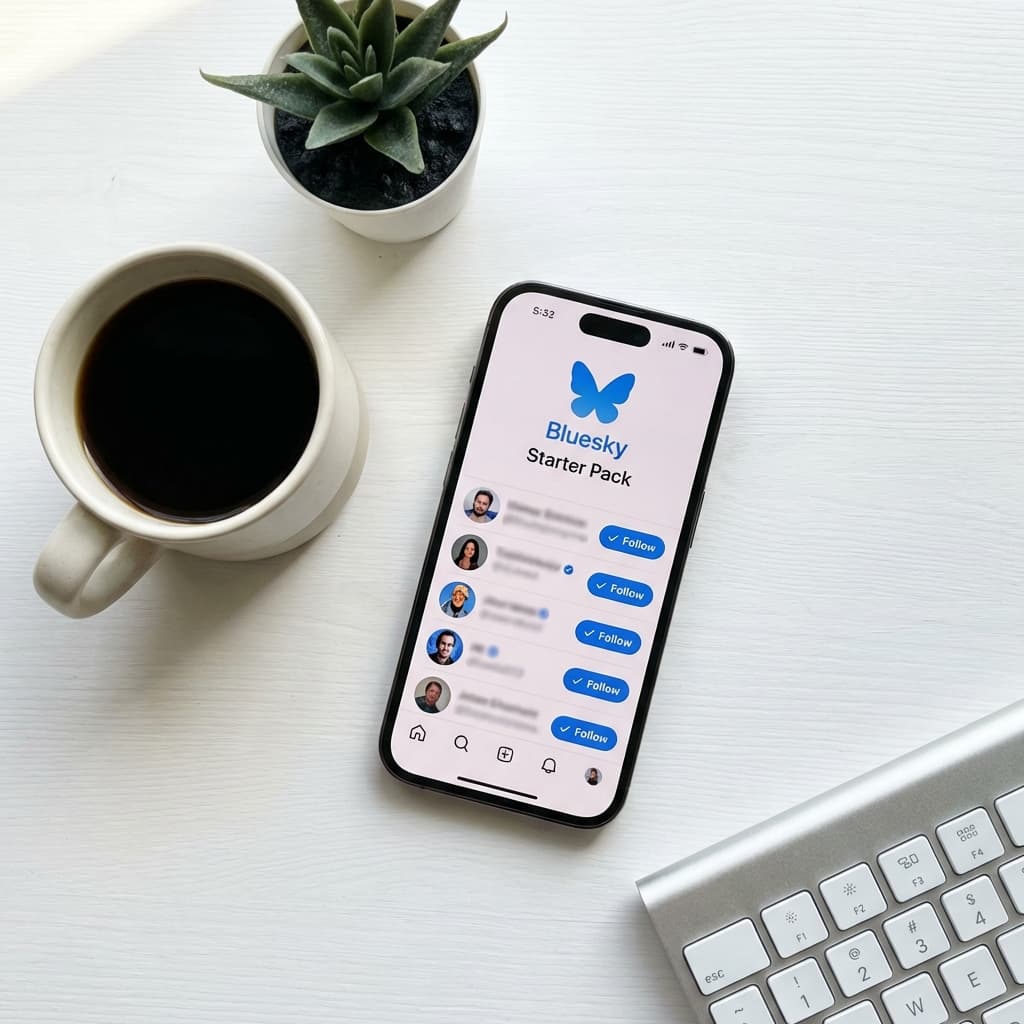
Bluesky built a weapon against this: Starter Packs.
And the numbers are wild.
What the Research Shows
A 2025 study from researchers at ICWSM analyzed how Starter Packs shaped Bluesky's growth during its first year. Here's what they found:
43% of all follows during peak migration periods came from Starter Packs.
That's not a typo. Nearly half of follow relationships were driven by these curated lists.
Users who appeared in Starter Packs got 85% more followers than those who didn't. They also posted 60% more content, creating a virtuous cycle of visibility and activity.
Over 335,000 Starter Packs were created in the first six months alone.
This isn't a minor feature. It's the primary discovery mechanism on the platform.
How Starter Packs Work
A Starter Pack is a curated list of 7 to 150 accounts. Anyone can create one. When someone clicks "Follow All" on a pack, they instantly follow every account in it.
That's the magic. Instead of finding and evaluating 50 accounts one by one, a new user clicks once and has a populated feed.
Packs are organized by theme: journalism, gaming, art, sports, politics, local communities. Browse packs at blueskydirectory.com/starter-packs or create one yourself.
Unlike algorithmic recommendations, these are human-curated. Someone decided you belonged. That carries more weight than a machine saying "you might like this."
Why This Matters for Your Growth
If you're building an audience on Bluesky, Starter Packs are your highest-leverage activity. Getting added to the right pack can deliver more followers in a day than months of posting.
But most people don't think about this strategically. They post, hope for the best, and wonder why growth is slow.
Here's how to play the game intentionally.
How to Get Added to Starter Packs
1. Niche Down Hard
Packs are thematic. There's no "random interesting people" pack that gets traction. There's "Science journalists" and "Indie game developers" and "Chicago sports fans."
If your profile says you post about "tech, life, random thoughts, and my dog," you won't fit any pack. You're unfindable.
Pick a lane. Be specific. "Mobile developer building in public" is findable. "Just some guy who codes" is not.
2. Make Your Bio Searchable
Pack creators find accounts by searching keywords and browsing communities. Your bio needs to contain the words they're looking for.
Bad: "Opinions are my own. RT =/= endorsement."
Good: "Climate scientist studying ocean temperatures. Previously @NOAA. I post research summaries and data visualizations."
The second bio contains "climate scientist," "ocean," "NOAA," "research," and "data visualizations." Five opportunities to be found.
3. Engage with Pack Creators
Pack curators include accounts they've noticed. They notice accounts that engage with their posts.
Find packs in your niche. Who created them? Follow that person. Reply to their posts. Join conversations they're in.
This isn't manipulation. It's how communities form. You're making yourself visible to the people who decide who gets visibility.
4. Create Your Own Pack
Reciprocity works. When you include someone in a pack, they often check who you are. Some will add you to theirs.
But beyond tactics, creating a pack positions you as a connector in your niche. You become the person who knows everyone. That's valuable social capital.
How to Create a Starter Pack
Creating a pack takes 5 minutes:
- Go to your profile on Bluesky
- Click Starter Packs in the menu
- Click Create a Starter Pack
- Name it something descriptive and searchable ("Science Fiction Authors" not "Cool People")
- Add accounts (20-50 is the sweet spot, more than 100 feels overwhelming)
- Add a description explaining who the pack is for
- Publish
Your pack gets its own shareable URL. Post it. Let people know it exists.
Best Practices for Pack Creation
Be specific. "Tech Twitter refugees" is too broad. "Frontend developers who write about React" is findable.
Update regularly. Remove inactive accounts. Add new voices. A stale pack loses value.
Don't add yourself. It looks tacky. Let your curation speak for your taste.
Quality over quantity. 30 accounts who post interesting content beats 150 accounts where half are dormant.
Write a real description. "Great people I follow" tells visitors nothing. "Active researchers sharing peer-reviewed climate science with accessible explanations" tells them exactly what they'll get.
The Limitation Worth Knowing
The same study found that Starter Packs tend to reinforce existing communities rather than create bridges between them. People follow packs that match their existing interests.
This isn't necessarily bad. It means your pack will attract the right people, not random follows. But don't expect a pack about indie music to suddenly give you an audience in finance.
Work within your niche. The cross-pollination comes later, once you've built a base.
Putting It Together
Here's the playbook:
Week 1: Audit your profile. Does your bio clearly state what you post about? Would a pack creator searching your topic find you?
Week 2: Find 5 Starter Packs in your niche. Follow the creators. Engage with their content. Not spam, real engagement.
Week 3: Create your own pack. Add 25-40 accounts you genuinely find valuable. Share it.
Ongoing: Post consistently. The best pack placement means nothing if your account looks dead when someone visits.
Starter Packs won't replace good content. But they'll make sure good content gets seen.
Most people ignore this feature. Now you know better.
Broadr supports Bluesky scheduling, threads, and cross-posting. Stay consistent so you're worth adding to those packs. Get started free