You've been posting consistently for three months. Your follower count has barely moved. Your engagement is... fine, but not explosive. Meanwhile, you see other creators seemingly blow up overnight.
So you start questioning everything. Is your content bad? Should you switch platforms? Maybe you need to post more, or less, or at different times, or with more emojis?
Here's what nobody tells you: you're probably doing everything right. You're just not giving it enough time.
The 30-Day Myth
Open any "how to grow on social media" guide and you'll see promises like "10K followers in 30 days" or "go viral in a week." It's complete nonsense, and it's setting you up to fail.
The creators who actually build sustainable audiences? They measure progress in quarters and years, not weeks.
A study by ConvertKit found that the average creator takes 18-24 months to reach their first 1,000 true fans. Not followers, fans. People who actually care about what you create.
That's not because these creators are doing something wrong. It's because trust compounds slowly.
Why It Takes So Long
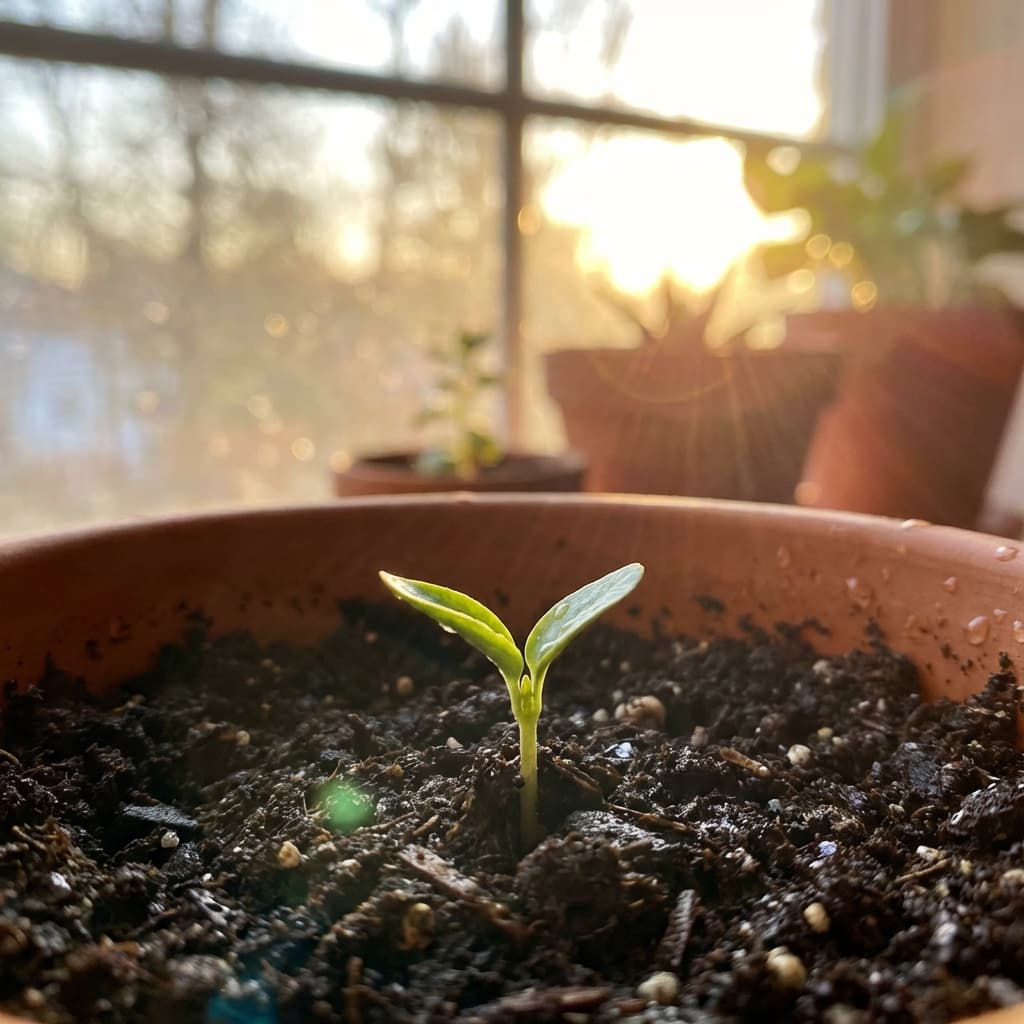
Building an audience isn't like running ads where you can throw money at a problem and see immediate results. It's more like gardening. You plant seeds, water them, and wait.
Here's what's actually happening during those "slow" early months:
1. The algorithm is learning about you
Every platform uses machine learning to figure out who should see your content. When you're new, the algorithm has no data. It doesn't know if people will engage with your posts, so it shows them to a small test audience.
As you post consistently and get engagement, the algorithm gains confidence and gradually expands your reach. This process takes months, not days.
2. You're building trust, not just awareness
Someone seeing your post once doesn't make them a follower. They need to see you multiple times, in multiple contexts, saying interesting things consistently before they trust you enough to click follow.
Marketing research suggests it takes 7-12 touchpoints before someone converts. In social media terms, that means they need to see your content roughly 10 times before they care.
If you post 5 times per week, it takes 2+ weeks for someone to hit that threshold, assuming they're even online when you post.
3. You're getting better while you work
Your first 50 posts probably aren't that good. Not because you're bad at this, but because you're still learning what resonates with your specific audience.
You need reps. You need to test different hooks, formats, topics, and angles. You need to see which posts flop and which ones surprise you. That feedback loop takes time to generate enough data.
The Real Timeline (With Actual Numbers)
Based on data from creators who've built audiences from zero, here's a more realistic timeline:
Months 0-3: The Silent Phase
- Follower growth: 0-100
- What's happening: You're invisible. The algorithm doesn't know you exist. Most of your engagement comes from friends being polite.
- What you should focus on: Finding your voice, experimenting with formats, building the posting habit.
Months 3-6: The Tipping Point
- Follower growth: 100-500
- What's happening: A few posts start to hit. You're getting organic discovery. People start recognizing your name.
- What you should focus on: Doubling down on what's working. Engaging with your early followers. Building relationships.
Months 6-12: The Compound Phase
- Follower growth: 500-2,000
- What's happening: Your best content gets shared. New followers discover you through old posts. You have enough back catalog that people binge your content.
- What you should focus on: Consistency. Repurposing your best content. Cross-pollinating platforms.
Months 12-24: The Momentum Phase
- Follower growth: 2,000-10,000+
- What's happening: Growth accelerates. You have social proof. The algorithm favors you. Opportunities start appearing.
- What you should focus on: Staying authentic. Not chasing vanity metrics. Building deeper connections.
These are averages. Some people move faster (usually because they already have an audience elsewhere or a unique angle). Most people move slower.
Why Patience Is Your Competitive Advantage
Here's the good news: most people quit before they see results.
They give up at month 2, or month 4, or right before things would have clicked. They switch strategies every three weeks. They chase the next platform or the next trend instead of staying the course.
If you can simply outlast them, you win by default.
The creators who succeed aren't necessarily the most talented or the most strategic. They're the ones who keep showing up when it feels like nothing is working.
What You Should Actually Track
Stop obsessing over follower count. It's a lagging indicator that doesn't tell you if you're improving.
Track these instead:
- Engagement rate: Are the people who see your content actually caring? A post with 100 views and 10 engaged people is better than one with 1,000 views and 5 likes.
- Repeat commenters: Who keeps showing up? Those are your early fans.
- Saves and shares: These signal that your content is valuable enough to revisit or recommend.
- Quality of opportunities: Are you getting inbound messages from interesting people? That's a sign you're building authority.
Also track consistency. Did you post as often as you planned? That's the only metric fully in your control.
How to Stay Sane During the Wait
1. Measure in experiments, not outcomes
Instead of "I want 1,000 followers by March," try "I want to test 5 different hook formats this month and see which performs best."
You control the inputs. You don't control the outcomes.
2. Celebrate small wins
Someone you respect followed you back? A post got more saves than usual? You came up with a format you're proud of? That's progress.
Don't wait for 10K followers to feel like you're succeeding.
3. Build systems, not goals
Create a content system that's sustainable for years, not just months. If your posting schedule requires grinding 4 hours a day, you'll burn out.
We built Broadr because we hated the chaos of juggling five platforms with spreadsheets and browser tabs. A good system makes consistency effortless, which means you'll still be here in 18 months when others have quit.
4. Focus on connection, not clout
One real conversation with someone who deeply resonates with your work is worth more than 1,000 passive followers. If you're building genuine relationships, the follower count will catch up eventually.
The Bottom Line
If you've been posting for three months and feel like you're getting nowhere, you're right on schedule.
This isn't failure. It's the normal, boring, unglamorous reality of building something real.
The creators who make it aren't the ones who went viral once. They're the ones who stayed consistent long enough for compounding to kick in.
So give yourself permission to be patient. Keep posting. Keep improving. Keep showing up.
The audience will come. It just takes longer than the gurus want you to believe.
Ready to build a sustainable content system? Broadr helps you stay consistent with keyboard-driven scheduling, AI-assisted planning, and support for all major platforms. Because the hardest part of audience building isn't strategy, it's showing up every week for two years straight.